


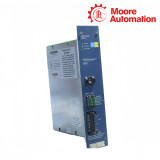


GE IC698PSD300 PACSystems RX7i 300 W DC Power Supply
Product Description
IC698PSD300 is a 300 W DC rack power supply for PACSystems RX7i systems. It converts an 18–30 VDC field source into the regulated backplane rails required by the CPU and installed modules.
The 300 W rating is shared across the 5 V and positive and negative 12 V rails. Installation work must include a per-rail load check, protective-earth connection, correct 18-30 VDC polarity and an unobstructed forced-air path before the rack is released.
Technical Specifications
Three-Rail Load Allocation
5 V rail
CPU and digital logic demand must stay within the rail rating.
±12 V rails
Analog and communication modules can determine the remaining power margin.
Cooling
Blocked airflow can create thermal shutdown even when electrical load is within 300 W.
DC Feed and Rack Startup
Calculate
Calculate demand per rail and inspect the fan path before installation.
Isolate
Isolate the 24 VDC source, land the protective ground first and verify polarity.
Energize
Energize the empty-control state, check rail/temperature LEDs, then enable field operation.
FAQ
Which order-code checks belong to the Three-Rail Load Allocation decision for IC698PSD300?
Match the complete order code, hardware revision, grounding and installed system configuration; a similar family name is not enough for replacement selection.
What must be backed up before the DC Feed and Rack Startup procedure for IC698PSD300?
Save the editable application, hardware configuration, communication parameters, retained production data and the firmware or software baseline used by this PACSystems RX7i 300 W DC Power Supply.
How does 5 v rail affect Three-Rail Load Allocation for IC698PSD300?
CPU and digital logic demand must stay within the rail rating.
Why does ±12 v rails need separate verification during DC Feed and Rack Startup for IC698PSD300?
Analog and communication modules can determine the remaining power margin.
How should IC698PSD300 complete the DC Feed and Rack Startup sequence before return to service?
Complete the documented startup sequence, verify diagnostics and communications, test the application under controlled conditions and confirm the applicable machine interlocks.

After dispatch, shipment information can be shared so buyers can follow the movement of an automation-parts order.
Tracking and delivery details remain connected to the original model list and destination.


No related record found